The Search for Heat-Resilient Reefs
Marine heat waves have triggered the most severe global coral bleaching event ever recorded. Since 2023, these extreme temperatures have forced corals to expel the algae necessary for food and color, leaving many reefs pale and struggling to survive. Scientists are now searching for "super reefs" that may possess the resilience to withstand these shifts.
The scale of the damage is widespread. More than 80 percent of the world’s reefs have been impacted in at least 83 countries and territories. For many of these ecosystems, the damage is not temporary; many corals have not recovered.
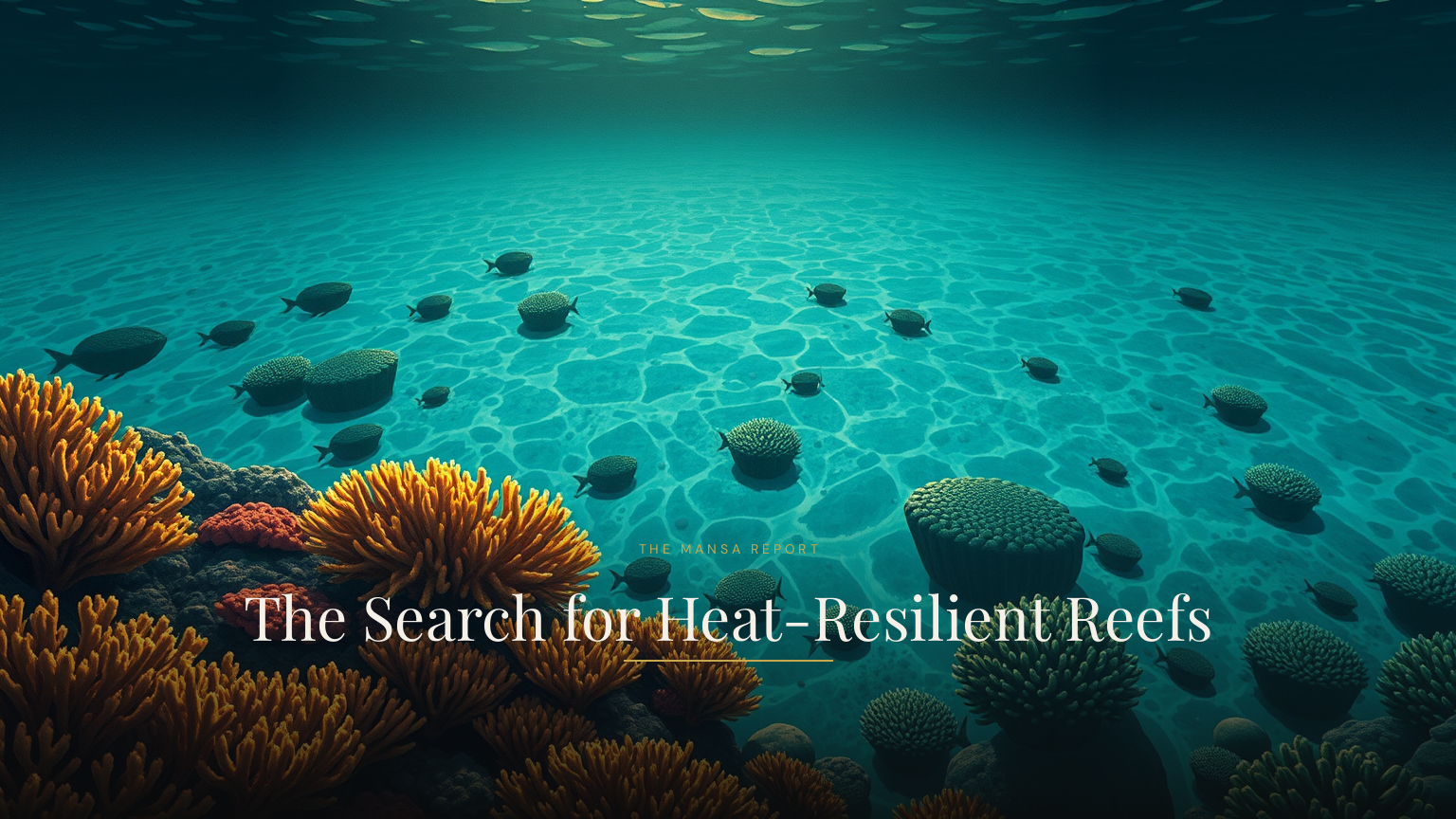
Anne Cohen, a scientist at the Woods Hole Oceanographic Institution, uses unmanned surface vehicles like the Yellowfin robot to locate specific reef patches in the Central Pacific. Her work focuses on identifying corals that show signs of survival despite the heat. During recent observations in the Majuro lagoon, Cohen identified vibrant, healthy structures—including chestnut-colored tabletop corals and golden staghorn corals—that stand in contrast to the widespread bleaching reported elsewhere.
Cohen has spent 30 years studying the impacts of climate change on marine environments. Finding these resilient patches is critical because they represent the biological blueprints for survival in a warming ocean. If these specific corals can endure extreme heat, they may provide the foundation for reef recovery.
The survival of global reef systems depends on whether these heat-tolerant specimens can propagate. The question for researchers is whether these "wonderland" patches are isolated anomalies or a scalable defense against rising sea temperatures.
Subscribe to The Mansa Report
Strategic intelligence on AI, business building, and the future of technology. Delivered Monday through Friday.