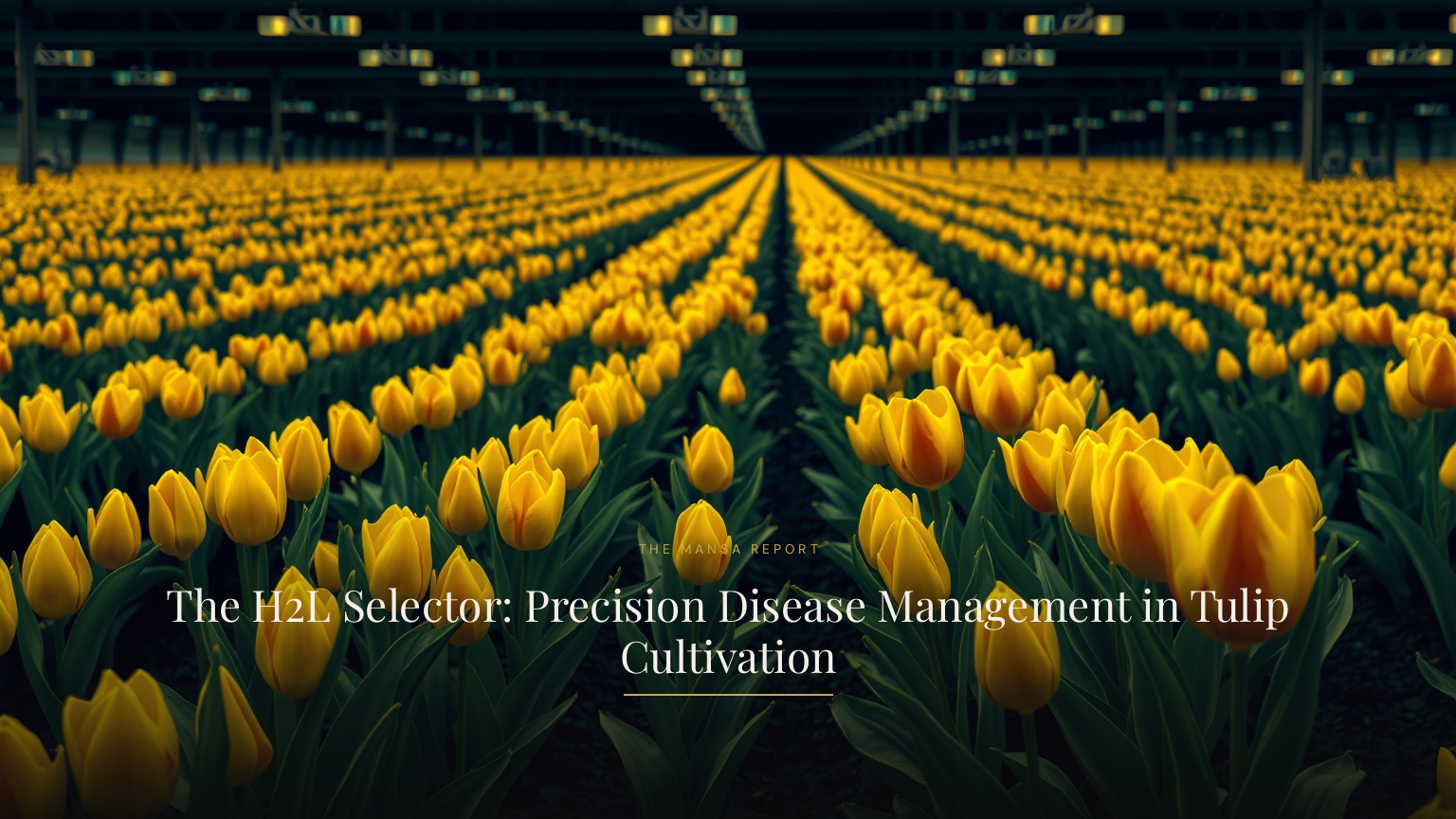
The H2L Selector: Precision Disease Management in Tulip Cultivation
Tulip growers are moving away from manual inspection toward automated precision. The adoption of the h2l selector represents a shift from viewing robotics as a novelty to treating them as a necessity for crop health.
The introduction of robotic disease selection addresses the critical need for accuracy in identifying infected bulbs. As growers face increasing pressure to maintain high standards, the ability to automate the identification process changes the economics of quality control. This transition is not merely about replacing labor; it is about the implementation of specialized technology designed to manage biological risks at scale.
The deployment of such systems suggests that the margin for error in tulip cultivation is shrinking. For growers, the implication is clear: those who integrate automated selection tools like the h2l selector are positioning themselves to mitigate disease spread more effectively than those relying on traditional methods. The focus is shifting from reactive treatment to proactive, robotic-led identification.
Evaluate whether your current quality control processes can scale with increasing biological complexity.
Subscribe to The Mansa Report
Strategic intelligence on AI, business building, and the future of technology. Delivered Monday through Friday.