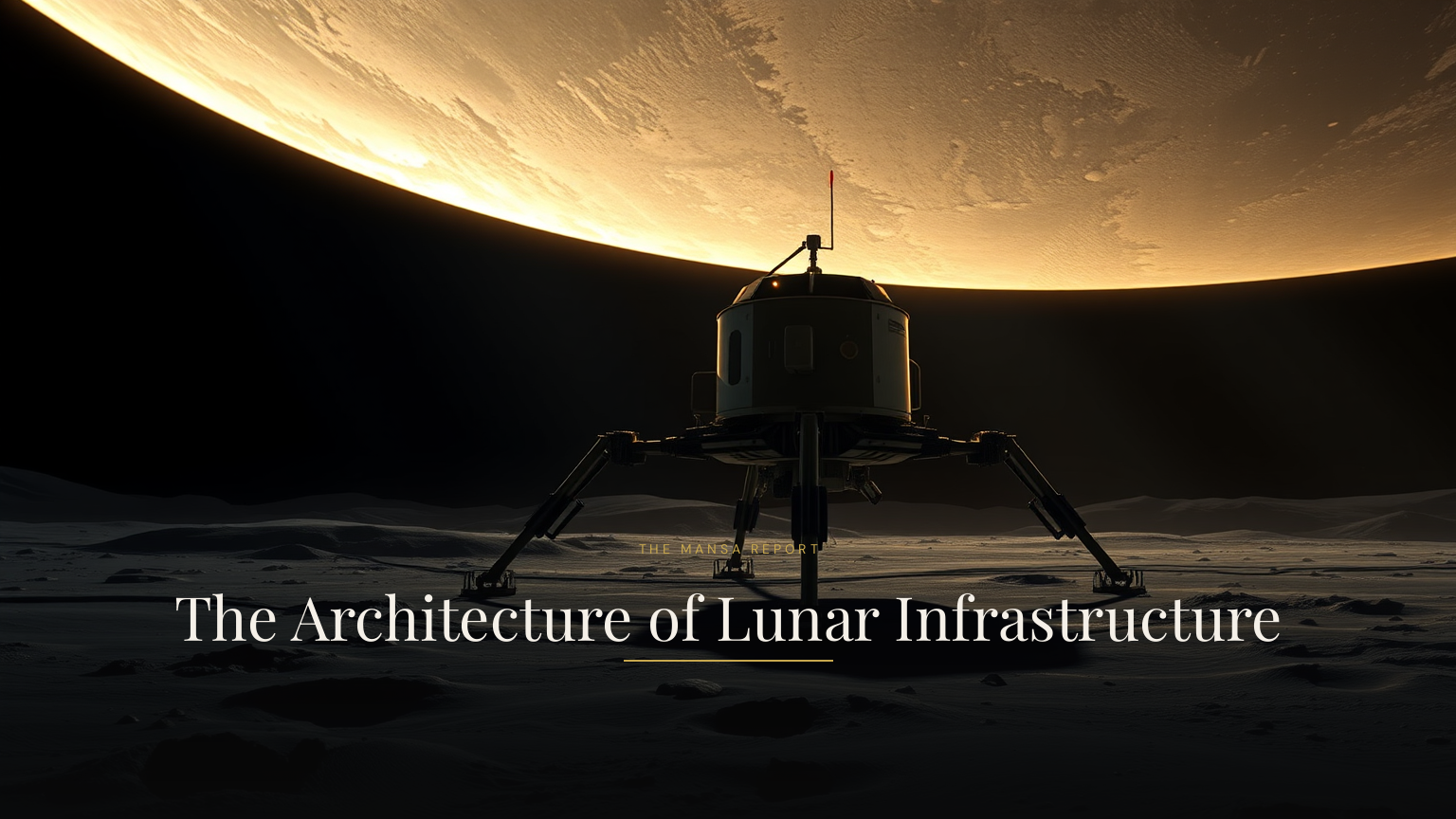
The Architecture of Lunar Infrastructure
Astrobotic is moving from experimental flight to infrastructure delivery. At a June 15 event, the company unveiled its Griffin-1 lunar lander, a vehicle designed to serve as a cornerstone for NASA’s lunar base ambitions.
The mission profile shifts the focus from low-cost, rapid flight to complex science delivery. While the company's Peregrine mission launched in January 2024 and suffered a propulsion malfunction, Griffin-1 integrates specific technical lessons from that failure. Most notably, the lander now utilizes a dual, redundant valve system with two dissimilar valves to prevent the specific outcome seen during the Peregrine launch.
The payload capacity of this mission establishes a new benchmark for commercial lunar logistics. Griffin will deliver 10 payloads from six nations to the moon. This includes the FLEX Lunar Innovation Platform (FLIP) robotic rover from Astrolab, a 500-kilogram rover that represents the heaviest commercial payload landed on the moon to date.
This transition marks a shift in how private space companies approach the lunar surface. The Griffin-1 mission is not merely about reaching the moon; it is about establishing the capability to deliver power systems and other essential equipment. By moving from the "lowest-cost" model of Peregrine to an infrastructure-class lander, Astrobotic is positioning itself as a primary logistics provider for long-term lunar habitation.
The company is currently completing final work on the lander before shipping it to the Jet Propulsion Laboratory in California for environmental tests. Following these tests, the vehicle will undergo final integration before moving to Florida for launch preparations. The lander is projected to launch in the fourth quarter of this year on a SpaceX Falcon Heavy rocket.
The success of Griffin-1 will determine if the commercial lunar economy can move beyond single-payload experiments toward sustained, heavy-lift logistics.
Watch the integration tests at the Jet Propulsion Laboratory; they will reveal if the redundant valve system can withstand the rigors of launch and lunar descent.
Subscribe to The Mansa Report
Strategic intelligence on AI, business building, and the future of technology. Delivered Monday through Friday.