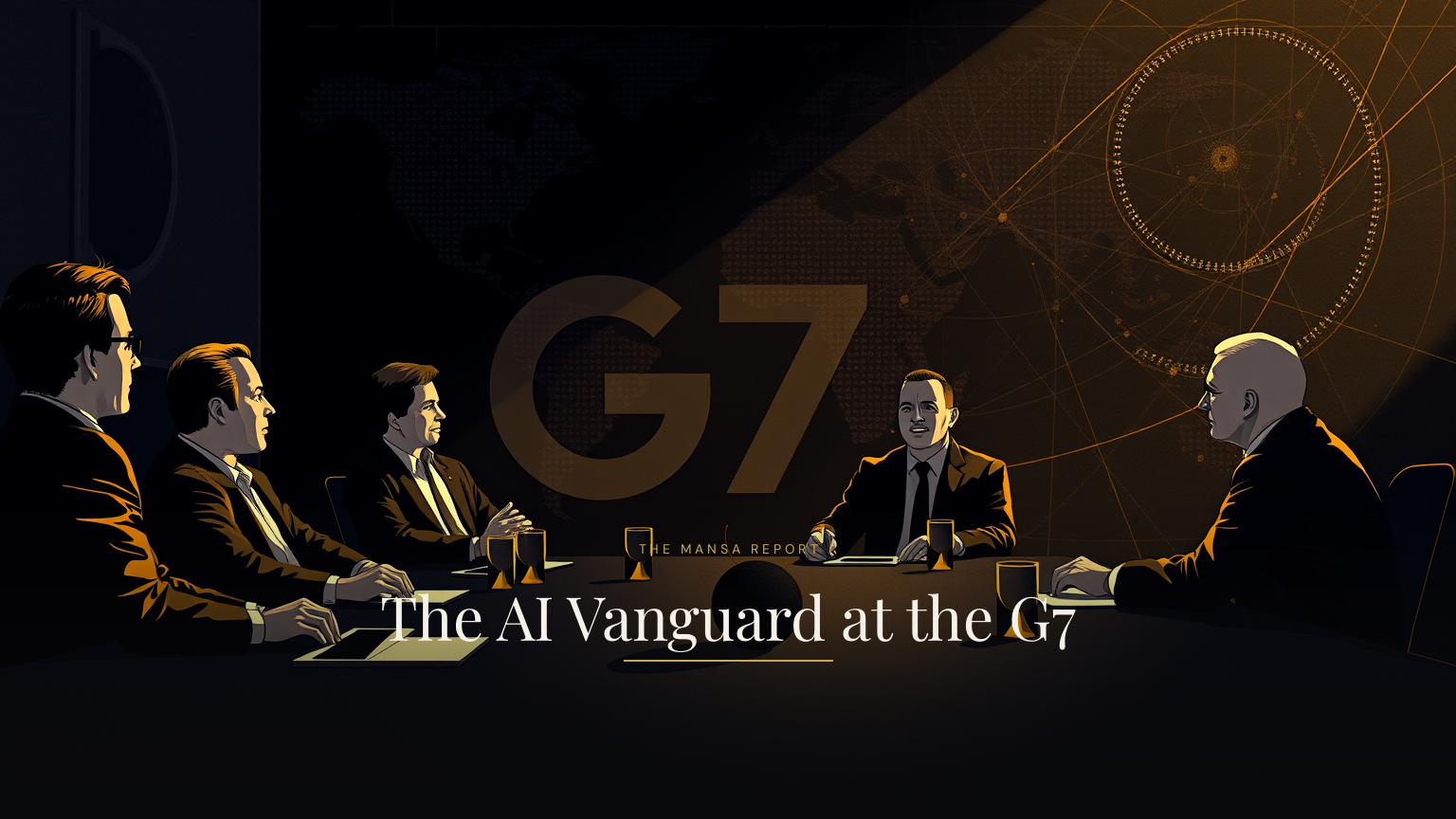
The AI Vanguard at the G7
The intersection of artificial intelligence and global governance is moving from the laboratory to the diplomatic table. Executives from OpenAI, Anthropic, and Google are scheduled to attend the G7 summit, signaling that the leaders of the frontier model race are now central actors in international security and economic policy.
This presence at the G7 summit indicates that the development of large-scale AI is no longer just a corporate competition for market share, but a matter of state-level strategic interest. When the architects of the most advanced models sit alongside heads of state, the conversation shifts from compute efficiency to the geopolitical implications of model deployment and the regulation of foundational technologies.
The participation of these specific firms suggests that the G7 is looking to align regulatory frameworks across member nations. For the industry, this means the era of operating in a regulatory vacuum is ending. The decisions made during these summits will likely influence how export controls are applied to hardware and how the deployment of intelligence is managed across borders.
The primary tension lies in the balance between fostering innovation and managing the risks associated with dual-use technologies. As these executives engage with the G7, the focus will likely remain on how to maintain a technological edge while establishing norms that prevent the misuse of autonomous systems.
Watch for how the summit's communiqués reflect the specific concerns of these AI leaders regarding international standards and the movement of technology between jurisdictions.
Subscribe to The Mansa Report
Strategic intelligence on AI, business building, and the future of technology. Delivered Monday through Friday.