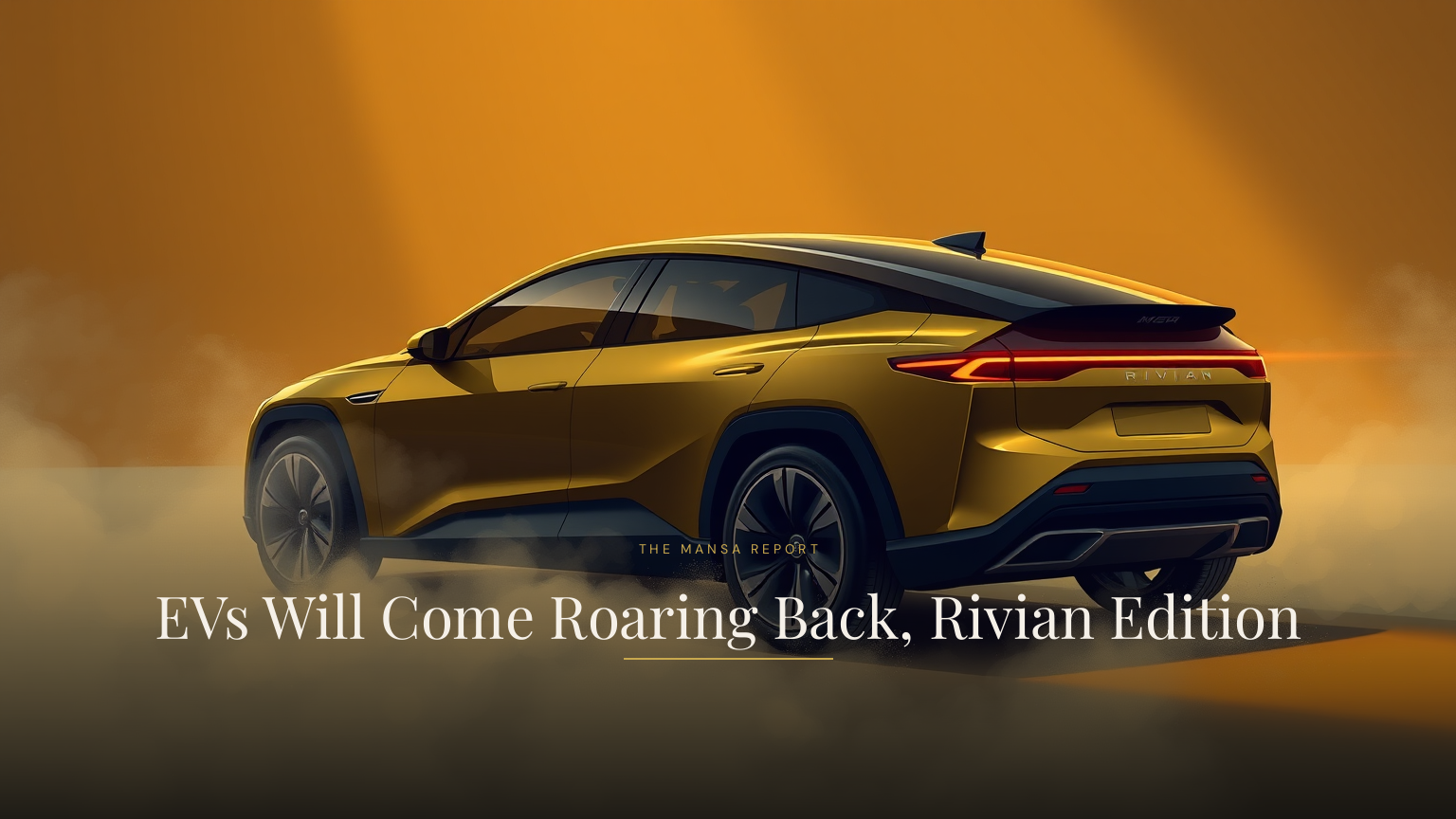
EVs Will Come Roaring Back, Rivian Edition
Rivian is positioning itself to compete directly with Tesla by focusing on premium 100% battery powered electric vehicles without the use of hybrids or range extenders. According to CleanTechnica, the company is preparing for a new wave of buyers despite recent shifts in federal energy policy.
The US market faced significant pressure following the expiration of the $7,500 federal tax credit after September 30. This change in tax policy contributed to a decline in EV sales and led some automakers to scale back manufacturing ambitions. Rivian, however, is moving forward with a strategy centered on mass-market accessibility.
The company has announced volume production for the midsized R2 SUV, which serves as an economical alternative to the larger, more expensive R1S. Additionally, Rivian confirmed plans to launch two new affordable models, the R3 and 3X. This expansion targets drivers seeking alternatives to Tesla's aging design language and avoids the political or reputational baggage associated with the industry leader.
The success of this expansion depends on solving the infrastructure gap. Many drivers living in rented housing lack the ability to charge at home, making them dependent on public charging stations. While unreliable station availability has historically hindered adoption, Rivian’s new product lineup arrives as the market seeks more reliable electrified mobility options.
The shift from high-priced luxury SUVs to mass-market models like the R2 and R3 suggests that scale, rather than just premium branding, will define the next phase of the US EV market.
Is the expansion into affordable segments enough to offset the loss of federal tax incentives?
Subscribe to The Mansa Report
Strategic intelligence on AI, business building, and the future of technology. Delivered Monday through Friday.