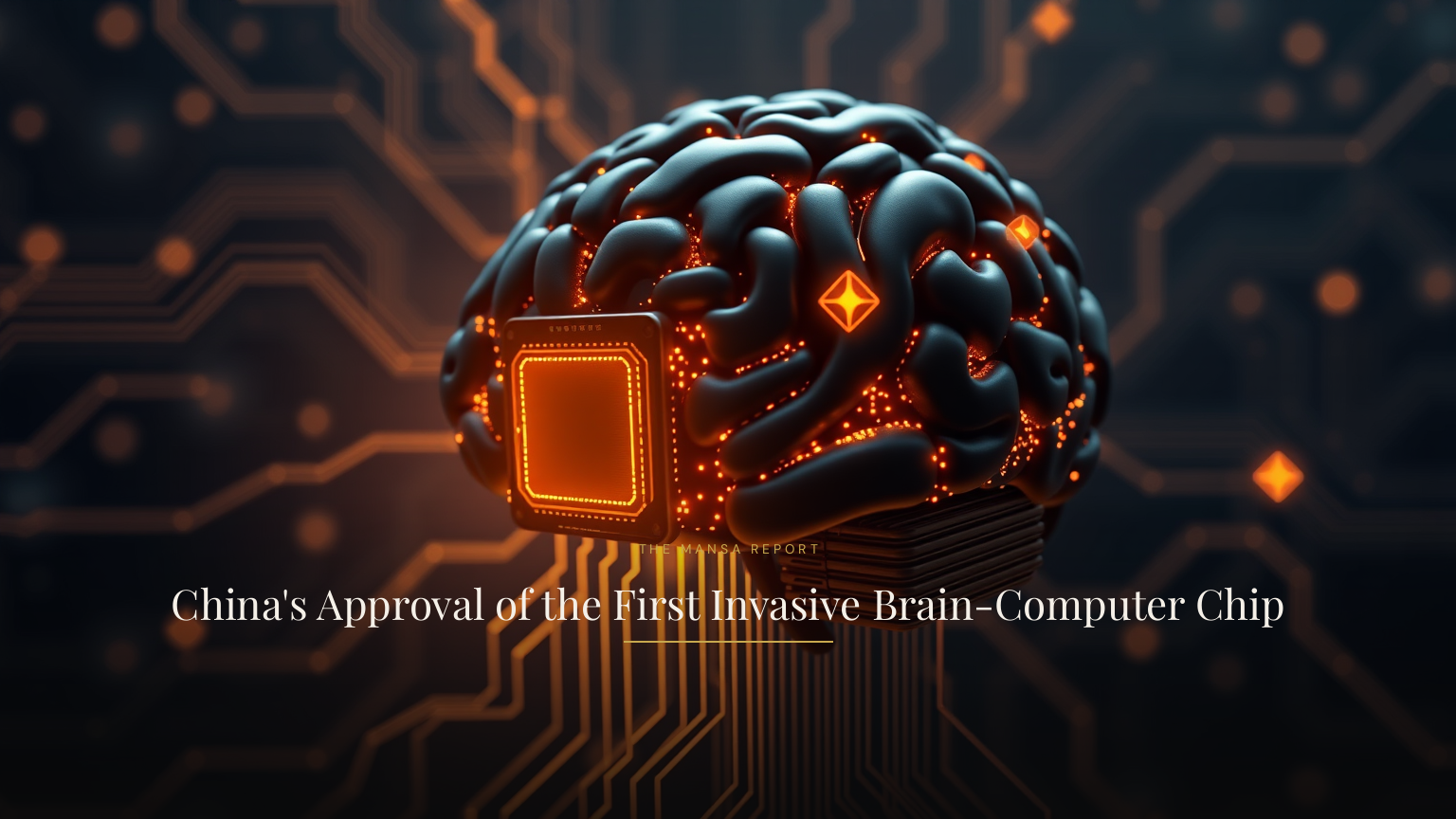
China's Approval of the First Invasive Brain-Computer Chip
China has approved the first invasive brain-computer interface (BCI) product for use beyond clinical trials. This approval moves the technology from experimental research into direct application for patients with paralysis resulting from spinal cord injuries.
The device, a coin-size implant called NEO, was developed by the Shanghai-based startup Neuracle Technology alongside researchers at Tsinghua University. As reported by MIT Technology Review, the approval marks a shift in the availability of invasive neural interfaces. The technology is now accessible to certain patients experiencing limb paralysis.
The clinical utility of the NEO system is evidenced by the case of Dong, a 39-year-old man who suffered spinal cord injuries in a car accident. After an 11-month rehabilitation process enabled by the implant, Dong regained the ability to write his name and a message. The procedure involves placing sensors on the dura mater to collect brain signals, which are then transmitted to a computer. To master the interface, Dong participates in 2.5-hour training sessions each day using a soft robotic glove.
This development signals China's intent to lead in the field of brain implants. The transition from clinical trials to approved medical use suggests that the regulatory environment in China is moving to support the commercialization of neural interfaces. For the biotech sector, this establishes a precedent for how invasive BCIs move from academic research to standardized medical products.
The success of this deployment depends on the continued integration of hardware, such as the skull-mounted transmitter, with intensive physical rehabilitation. As this technology moves beyond the initial cohort of trial participants, the focus will shift to the scalability of the surgical procedures and the long-term stability of the sensors on the brain's surface.
Watch how the regulatory framework for neural implants evolves in response to this first commercial approval.
Subscribe to The Mansa Report
Strategic intelligence on AI, business building, and the future of technology. Delivered Monday through Friday.